Gum Health
Tender Gums Before Thanksgiving? Gum Disease Care in Tustin
Sore or bleeding gums when you chew? Learn how periodontal disease treatment in Tustin with scaling and root planing can calm gums before Thanksgiving dinner.

By the Tustin Smile Dental team
· 6 min read
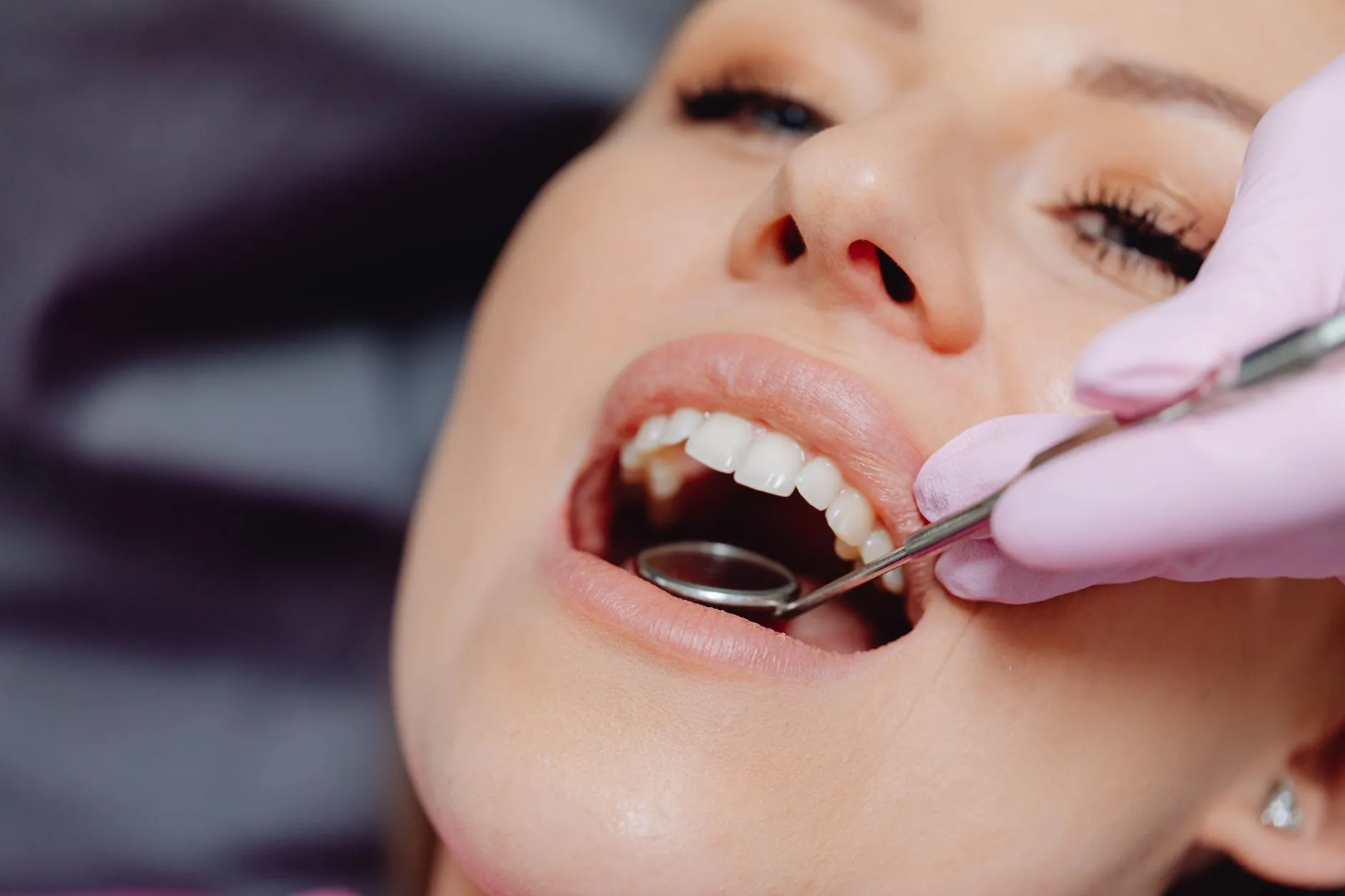
Photo: https://kaboompics.com/ / Pexels
If your gums feel tender or bleed when you chew, it can be an early sign of periodontal (gum) disease, and it’s worth a gum exam rather than waiting it out. Here in Tustin, a week before Thanksgiving is a good time to find out what’s going on, because treatments like scaling and root planing work best when gum problems are caught early.
Thanksgiving is a week away, and for many families in Tustin, Orange and Irvine that means a table full of turkey, crusty rolls, roasted vegetables and pie. It’s the one meal of the year many of us look forward to most, so it’s frustrating when sore gums make every bite feel uncomfortable.
This post explains why gums can hurt or bleed when you eat, what periodontal disease actually is, and how a deep cleaning called scaling and root planing helps. It isn’t a substitute for an exam, but it should help you decide when to call.
Why Your Gums Might Hurt When You Chew
Healthy gums fit snugly around your teeth like a cuff. They’re usually firm and pink, and they don’t bleed when you brush, floss or chew.
When plaque (the sticky film of bacteria that builds up on teeth) isn’t fully removed, it irritates the gum line. Over time, plaque hardens into tartar, which brushing can’t remove. The bacteria in and under that tartar keep the gums inflamed, and inflamed gums are tender, puffy and quick to bleed.
Chewing firmer foods presses on the gums and can push food into spaces that have opened up between the teeth and gums. That’s often when people first notice soreness.
Gingivitis vs. periodontitis
- Gingivitis is the early, reversible stage. Gums may be red, swollen and bleed easily, but the bone holding your teeth hasn’t been damaged.
- Periodontitis is the more advanced stage. Inflammation spreads below the gum line, gums start to pull away from the teeth and form pockets, and the supporting bone can begin to break down.
You can’t always tell which stage you’re in just by how your mouth feels. Gum disease is often painless until it’s fairly far along, which is why regular dental cleanings and exams matter so much.
Signs to Watch for Before the Big Meal
If you’re planning your Thanksgiving menu and also noticing any of the following, it’s a good reason to schedule a gum check:
- Gums that bleed when you brush, floss or bite into firm foods
- Tenderness or a dull ache along the gum line while chewing
- Red, swollen or puffy gums
- Persistent bad breath or a bad taste that doesn’t go away
- Gums that look like they’re pulling back, making teeth appear longer
- Food getting stuck in new places between teeth
- Teeth that feel loose or a bite that feels different
Some of these symptoms can have other causes, like a cracked tooth, a lodged piece of food or a sinus issue. Only an exam can sort out what’s really happening in your mouth.
How Scaling and Root Planing Works
If you’ve typed periodontal disease treatment Tustin into a search bar after a painful bite of dinner, the treatment you’ll most often hear about is scaling and root planing. It’s sometimes called a deep cleaning, and it goes further than a routine cleaning.
At Tustin Smile Dental, our periodontal disease treatment focuses on controlling infection and protecting the bone that holds your teeth in place.
What happens during the visit
- Gum measurements first. We gently measure the spaces between your teeth and gums to see how deep any pockets are and where treatment is needed.
- Numbing for comfort. The areas being treated are numbed, so you can relax during the cleaning.
- Scaling. Tartar and bacteria are carefully removed from above and below the gum line, including inside the pockets.
- Root planing. The root surfaces are smoothed so bacteria have a harder time sticking and gums can heal and fit more snugly against the teeth.
Depending on how many areas need care, treatment may be split into more than one visit.
After treatment
It’s normal for gums to feel a bit tender for a few days. Most people find that soreness and bleeding gradually settle as the gums heal. We’ll follow up to recheck your gums and recommend a maintenance cleaning schedule, because gum disease is something to manage over time rather than a one-time fix.
When more care is needed
For deeper pockets that don’t respond to scaling and root planing alone, we may talk with you about periodontal surgery to clean deeper and help the area heal. Many patients never need this step, especially when gum disease is caught early.
Thanksgiving Table Tips for Tender Gums
If your gums are sore right now and you have a holiday meal coming up, a few simple changes can make eating more comfortable while you arrange an exam:
- Choose softer sides. Mashed potatoes, soft-cooked vegetables, stuffing and cranberry sauce are easier on tender gums than crusty bread or nuts.
- Cut food into small pieces. Smaller bites mean less pressure on sore spots.
- Go easy on very hot or very cold foods if your gums or teeth feel sensitive.
- Rinse with water after eating. It helps wash away bits of turkey and food that can wedge near the gum line.
- Floss gently after the meal. Removing trapped food reduces irritation; don’t skip flossing just because gums bleed a little, but be gentle.
- Limit sticky sweets between meals. Pecan pie and caramel treats feed plaque bacteria, especially when grazed on all afternoon.
- Stay hydrated. Drier fall days and holiday drinks can leave your mouth dry, and saliva helps protect gums and teeth.
These tips can help you get through the holiday more comfortably, but they don’t treat the underlying cause. If symptoms are there, the inflammation is still there too.
Why Not Wait Until After the Holidays?
It’s tempting to put a dental visit off until January. The calendar fills up fast between Thanksgiving, school events in Tustin Ranch and North Tustin, and holiday plans with family in Santa Ana or Anaheim Hills.
Here’s why it’s worth acting sooner:
- Gum disease tends to progress quietly. Waiting can allow pockets to deepen and bone support to weaken.
- Early treatment is usually simpler. Gingivitis can often be reversed with a professional cleaning and better home care.
- Year-end benefits. Many dental plans reset on January 1. If you have remaining benefits for 2026, scheduling before December 31 may help you use them. We accept many plans, including Delta Dental, MetLife, Cigna, Aetna and Guardian, and offer flexible financing for out-of-pocket costs. You can learn more on our insurance and financing page.
- You’ll enjoy the rest of the season more. December brings plenty of meals and gatherings of its own.
If you notice swelling in your face, a pimple-like bump on the gums, or severe pain, don’t wait. Emergency appointments are welcome; please call us so we can help you figure out next steps.
Book a Gum Check in Tustin
If your gums have been sore, bleeding or just not feeling right, we’d be glad to take a look. As a family dentist in Tustin, Tustin Smile Dental is located at 210 West Main Street, Suite 106, in Old Town Tustin, and is convenient for patients from Orange, Irvine, Villa Park and nearby neighborhoods.
Dr. Daniel Blanco and our team will check your gums, explain what we find in plain language and recommend a plan that fits your needs.
- Book online through our appointment request page
- Call us at (714) 544-1877
- Hours: Monday – Thursday, 8:30 am – 5:30 pm; Friday by appointment; closed Saturday and Sunday
Healthy gums make every holiday meal more enjoyable. Reach out today and give your smile the care it deserves this season.
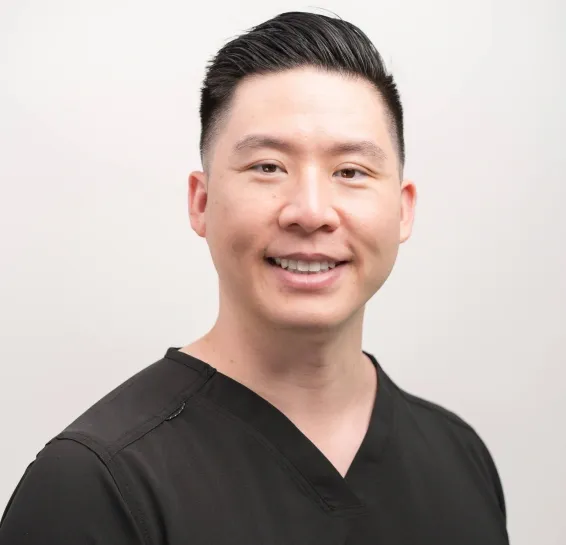
About Tustin Smile Dental
Dr. Daniel Blanco, DMD
General, Cosmetic & Implant Dentist at Tustin Smile Dental, your trusted dentist in Tustin in Old Town Tustin. Doctor of Dental Medicine (DMD) — Roseman University College of Dental Medicine, Utah. Meet Dr. Blanco.